Source clip on headlamp washer cover for Auto Repair, Fleet Maintenance, and Racing
Find 30 suppliers offering clip on headlamp washer cover options tailored for automotive and industrial needs. Compare specifications, pricing, and customization features to identify the best fit for your vehicle maintenance or racing applications.
Key considerations
Products List


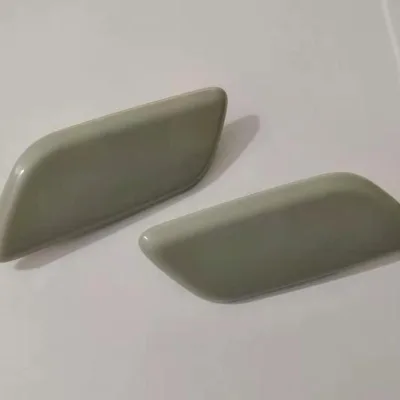
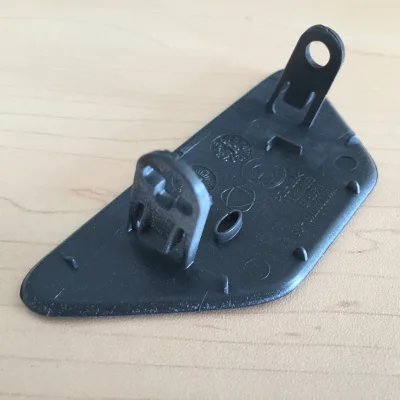
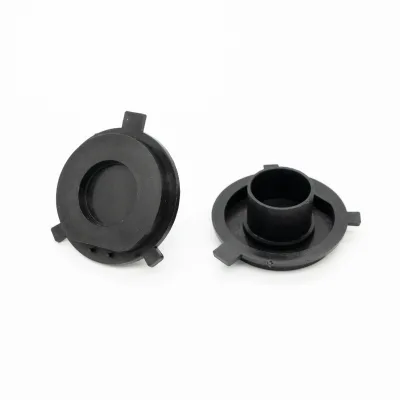
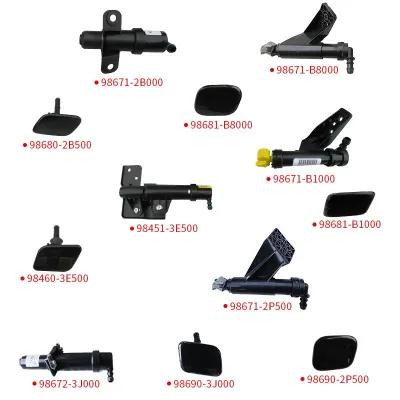


Comprehensive Sourcing Guide
Strategic Sourcing Guide for Clip-On Headlamp Washer Cover Components
Understanding Component Specifications and Material Properties
When sourcing clip-on headlamp washer cover components, buyers must first establish a clear understanding of the physical and functional attributes required for the application. The market offers a diverse range of products, but the core specifications often revolve around material integrity, production processes, and dimensional tolerances. In the context of industrial metal stamping and forming, the primary material observed in high-performance applications is steel. This material choice is critical for ensuring durability against environmental factors such as moisture, temperature fluctuations, and mechanical stress associated with vehicle maintenance systems.
The production process for these components frequently involves cold rolling and shaping metal techniques. Cold rolling is a preferred method for achieving precise dimensions and enhanced surface finish without the need for high-temperature annealing, which can alter the material's grain structure. The manufacturing process typically utilizes multistep progressive dies to ensure consistency across large production runs. This approach allows for the efficient creation of complex geometries required for a secure clip-on fitment. The specific production process is often categorized under forming processes, where the raw material is transformed into the final shape through a series of controlled mechanical operations.
Tolerances play a pivotal role in the functionality of the washer cover. For precision automotive or industrial applications, tolerances as tight as 0.01mm are often observed in high-quality manufacturing setups. This level of precision ensures that the clip mechanism engages correctly with the headlamp housing and the washer nozzle assembly, preventing leaks or dislodgement during operation. The shape of the component is often designed as a coil or a specific stamped profile, depending on the load type. In some industrial contexts, torsion loads are a consideration, requiring the component to withstand twisting forces without permanent deformation.
Surface processing is another critical specification. Oxidation treatments are commonly applied to steel components to enhance corrosion resistance and extend the service life of the part. The surface finish must be free from burrs and sharp edges that could damage the washer system or cause injury during installation. Buyers should verify that the supplier employs fine blanking or open fine blanking techniques to achieve clean edges and high dimensional accuracy. The customization options available in the market allow for specific adaptations, such as the inclusion of specific mounting features or unique color codes, though the base material and process remain consistent with industry standards.
Compliance, Certification, and Regulatory Standards
Navigating the regulatory landscape is essential for any procurement strategy involving automotive or industrial components. While the specific product category of a headlamp washer cover may not always carry the same stringent medical or food-grade certifications as other industries, the manufacturing facility's adherence to quality management systems is a strong indicator of reliability. In the broader context of metal stamping and industrial parts, certifications such as ISO and SGS are frequently observed. These certifications indicate that the supplier operates under a recognized quality management framework, ensuring consistent production standards and traceability.
For components intended for use in specific regulated environments, additional certifications may be required. For instance, if the washer cover system is part of a broader assembly that interacts with medical or sanitation equipment, certifications like CE, FDA, and ISO 13485 might be relevant. Although these are more common in medical device manufacturing, the presence of such certifications in a supplier's portfolio suggests a high level of rigor in their quality control processes. Buyers should verify if the supplier holds valid certificates for ISO 13485 and CE, as these demonstrate a commitment to safety and compliance that often translates to better performance in automotive applications as well.
The standard for the product itself is often customized to meet specific OEM requirements. However, general industry standards for metal parts often reference ISO standards for dimensional tolerances and material properties. Buyers should not assume that a product meets a specific standard unless explicitly stated in the product documentation. The "customized" standard designation observed in some listings implies that the supplier is capable of adapting their production to meet unique client specifications, which is a valuable trait for specialized automotive components.
When evaluating compliance, buyers must also consider the origin of the product. Manufacturing locations in regions like Zhejiang, Shenzhen, and Hubei in China are known for their robust industrial ecosystems. However, the origin alone does not guarantee compliance. Buyers should request proof of certification and ensure that the supplier's quality management system is audited by a recognized third party. The presence of certifications like Coc (Certificate of Conformance) further supports the claim that the product meets the specified requirements. It is crucial to distinguish between generic certifications and those specific to the component's intended application to avoid regulatory pitfalls in the target market.
Cost Drivers and Pricing Dynamics
The pricing of clip-on headlamp washer cover components is influenced by a complex interplay of factors, including material costs, production volume, and the level of customization required. The observed price range in the market can vary significantly, from low-cost entries to premium-priced specialized components. In some cases, prices may be observed in the range of 0 to 200 USD, though this wide range often reflects the diversity of product types, from simple stamped parts to complex assemblies with additional features.
Material costs are a primary driver, particularly when steel is the specified material. Fluctuations in the global steel market can directly impact the unit price of the component. Additionally, the production process, such as cold rolling and fine blanking, adds value but also increases the cost compared to simpler manufacturing methods. The use of multistep progressive dies requires significant upfront investment in tooling, which can be amortized over large production runs. Consequently, the Minimum Order Quantity (MOQ) is a critical factor in determining the final price. The observed MOQ range spans from 1 to 200,000 units, indicating that suppliers cater to both prototyping needs and mass production requirements.
Customization is another significant cost driver. Products that require specific shapes, colors, or surface treatments will generally command a higher price than standard off-the-shelf items. The availability of customization allows buyers to tailor the component to their specific needs, but it often involves additional setup costs and longer lead times. Buyers should be aware that while a lower price might be attractive, it could come at the expense of quality or customization options. Conversely, higher-priced items may offer better tolerances, superior surface finishes, and more robust quality control measures.
The location of the supplier also plays a role in pricing. Suppliers in different regions of China, such as Zhejiang, Shenzhen, and Hubei, may have varying cost structures due to differences in labor costs, logistics, and local infrastructure. The loading port, often Shanghai or Wuhan, can also influence the final landed cost due to shipping fees and logistics complexity. Buyers should request detailed quotes that break down the cost of materials, tooling, and processing to understand the true cost drivers. It is essential to balance the initial unit price with the total cost of ownership, including potential costs associated with quality issues or supply chain disruptions.
Typical Applications and Usage Scenarios
Clip-on headlamp washer cover components are primarily designed for use in industrial and automotive settings. The versatility of these components allows them to be integrated into various systems where protection and functionality are paramount. In the automotive industry, these covers serve to protect the washer nozzle and headlamp assembly from debris, moisture, and mechanical damage. The usage is often categorized as industrial, reflecting the rigorous demands placed on vehicle components during operation.
The applications extend beyond simple protection. In some contexts, these components are part of a larger system that includes remote control features, although the observed data indicates that many standard models are "Without Remote Control." This suggests that the primary function is mechanical protection rather than electronic integration. Similarly, features like overheating protection or adjustable thermostats are typically absent, as the component is not an active heating or cooling element but rather a passive shield. The installation type is usually freestanding, meaning the component is designed to be attached to the vehicle or machinery without requiring complex structural modifications.
The style and color of the component can also be relevant, particularly for aesthetic integration with the vehicle's design. Modern styles and colors such as white are common, ensuring that the component blends seamlessly with the vehicle's exterior. However, the primary focus remains on functionality and durability. The component must withstand exposure to both indoor and outdoor environments, making it suitable for vehicles that operate in diverse weather conditions. The ability to withstand torsion loads and maintain its shape under pressure is essential for long-term performance.
In addition to automotive applications, these components may find use in other industrial sectors where similar protection is needed. The material, typically steel, and the production process, involving cold rolling and shaping, make them suitable for a wide range of industrial machinery. The customization options allow for adaptation to specific industrial requirements, ensuring that the component meets the unique needs of the application. Buyers should consider the specific usage environment when selecting a component, as factors such as exposure to chemicals, extreme temperatures, or high mechanical stress can influence the choice of material and surface treatment.
Supplier Evaluation and Selection Criteria
Selecting the right supplier is a critical step in the procurement process. Buyers should evaluate suppliers based on a comprehensive set of criteria that includes technical capability, quality assurance, and logistical reliability. The production process and material specifications are key indicators of a supplier's technical competence. Suppliers that utilize cold rolling, fine blanking, and multistep progressive dies are likely to produce higher quality components with better tolerances. The ability to customize the product, as indicated by the "Customized" attribute, is also a valuable trait, suggesting flexibility and responsiveness to client needs.
Quality assurance is another vital factor. Buyers should look for suppliers that hold recognized certifications such as ISO, SGS, and CE. These certifications provide assurance that the supplier adheres to international quality standards and has a robust quality management system in place. The presence of specific certifications like ISO 13485 and FDA, while more common in medical contexts, can indicate a higher level of rigor in the supplier's processes. Buyers should request copies of these certifications and verify their validity before proceeding with an order.
Logistical capabilities are also important, particularly for international procurement. The origin of the product, whether from Zhejiang, Shenzhen, or Hubei, can influence lead times and shipping costs. The loading port, typically Shanghai or Wuhan, should be considered when calculating the total cost of the order. Buyers should also inquire about the supplier's lead times and their ability to meet production schedules, especially for large orders with high MOQs. The ability to provide a consistent supply of high-quality components is essential for maintaining production continuity.
When evaluating suppliers, buyers should also consider their experience in the specific industry. Suppliers with a track record of serving the automotive or industrial sectors are likely to have a better understanding of the specific requirements and challenges associated with these applications. The "Industry" attribute, such as "Metal Stamping Parts," can provide insight into the supplier's specialization. Buyers should seek suppliers that demonstrate a deep understanding of the application and can offer technical support and guidance throughout the procurement process.
Quality Control and Long-Term Procurement Considerations
Ensuring the quality of clip-on headlamp washer cover components requires a rigorous quality control process. Buyers should implement a multi-stage inspection protocol that includes raw material verification, in-process monitoring, and final product inspection. The use of advanced testing methods, such as dimensional analysis and surface finish inspection, is essential to ensure that the components meet the specified tolerances and surface treatment requirements. The observed tolerance of 0.01mm is a benchmark that should be maintained throughout the production process.
Long-term procurement considerations involve building a sustainable relationship with the supplier. This includes establishing clear communication channels, defining quality expectations, and setting up a mechanism for continuous improvement. Buyers should work with suppliers to identify areas for optimization, such as reducing waste, improving efficiency, or enhancing the durability of the components. The ability to customize the product over time allows for adaptation to changing market demands and technological advancements.
Sustainability is also becoming an increasingly important factor in procurement. Buyers should consider the environmental impact of the production process and the materials used. The "Eco-Friendly" feature observed in some products suggests that suppliers are increasingly aware of the need to minimize their environmental footprint. Buyers should inquire about the supplier's sustainability practices and their commitment to using environmentally responsible materials and processes.
Finally, buyers should plan for the long-term availability of the components. The production process and material specifications should be documented and standardized to ensure that replacement parts are consistent with the original components. This is particularly important for maintaining the performance and safety of the vehicle or machinery over its lifespan. By focusing on quality control and long-term planning, buyers can ensure a reliable supply of high-quality clip-on headlamp washer cover components that meet their specific needs.
FAQs
What materials are used for clip on headlamp washer cover components?
Steel is the primary material used for these components to ensure durability against environmental stress. The production process often involves cold rolling and shaping metal techniques to achieve precise dimensions and enhanced surface finish without altering the material's grain structure.
Which certifications should I verify for industrial metal stamping parts?
Buyers should verify certifications such as ISO, SGS, and Coc to ensure the supplier operates under a recognized quality management framework. While specific automotive standards vary, the presence of ISO 13485 and CE indicates a high level of rigor in quality control processes.
How do tolerances affect the functionality of washer cover components?
Tolerances as tight as 0.01mm are often observed in high-quality manufacturing setups to ensure correct engagement. This precision prevents leaks or dislodgement during operation and ensures the clip mechanism fits securely with the headlamp housing and washer nozzle assembly.
Can these components be customized for specific industrial applications?
Yes, customization options are available to adapt the component to specific needs like unique mounting features or color codes. The standard designation is often customized to meet specific OEM requirements, allowing for adaptations while maintaining base material and process consistency.
What production processes are typical for these metal stamping parts?
The manufacturing process typically utilizes multistep progressive dies to ensure consistency across large production runs. This approach falls under forming processes where raw material is transformed into the final shape through controlled mechanical operations like cold rolling and fine blanking.
Where are these industrial components typically manufactured in China?
Manufacturing locations in regions like Zhejiang, Shenzhen, and Hubei are known for their robust industrial ecosystems. Buyers should verify the specific origin, such as Zhejiang or Shenzhen, as part of their supplier evaluation to ensure logistical reliability and quality standards.
What is the typical price range for clip on headlamp washer covers?
The observed price range in the market can vary significantly from 0 to 200 USD depending on the product type. Pricing is influenced by material costs, production volume, and the level of customization required, with higher prices often reflecting better tolerances and surface finishes.